A.K.A: National Color Therapy Month, was created by Eleyne-Mari Sharp in 2011 to help people “discover their light and joy” through the use of color. The month highlights how colors can influence mood, energy levels, and overall health, encouraging individuals to explore the psychological and physiological effects of different hues. March was chosen for its association with spring, renewal, and the rainbow, making it an ideal time to celebrate color and its healing properties.
Jason Pady, Peer Support
ORGANIZE TO OUTLAST
This is the theme the National Coalition for LGBTQ Health chose for National LGBTQ Health Awareness Week, being held March 16 – 20. The theme calls on the LGBTQ community and those who provide healthcare for LGBTQ communities to organize for LGBTQ health against regressive forces in policy and culture. To OUTlast means remaining rooted when pressure keeps returning. For more information visit healthlgbtq.org
Alex Lee, LPC-A
YES, THERE IS AN ‘I WANT YOU TO BE HAPPY DAY’
IWYTBHD is celebrated on March 3rd in the U.S.; created anonymously, this observance serves as an invitation to recognize what brings joy to the people around us and to act intentionally to support their emotional well-being.
Although happiness is universal, the experience of it varies widely from person to person. IWYTBHD encourages thoughtful actions that honor those differences—offering a kind word, expressing appreciation, resolving a misunderstanding, or simply doing something meaningful to brighten someone’s day.
As we welcome more sunlight, this holiday reminds us that emotional warmth grows through empathy and connection. And remember, in supporting others’ happiness, we often experience a sense of fulfillment ourselves—a reminder that kindness enriches both the giver and the receiver.
Sandra McQuinn, LPC
BRAIN AWARENES WEEK
From March 16-22, Brain Awareness Week (B.A.W.) is the global campaign to foster public enthusiasm and support for brain science. Every March, participants host imaginative activities in their communities that share the WHAT WE LEARNED wonders of the brain, and the impact brain science has on our everyday lives.
It aims to increase public awareness of the research that leads to progress in the diagnosis, treatment, and prevention of brain disorders. Brain research allows us to understand our biology and body function better, which empowers medical professionals to find ways to prevent or treat brain, nervous system, and body problems.
B.A.W is a legacy initiative of the Dana Foundation that honors our history and long-standing commitment to supporting neuroscience outreach and education.
David Sharp, Peer Support
QUOTIVATIONAL
We draw people to Christ not by loudly discrediting what they believe or by telling them how wrong they are and how right we are, but by showing them a light that is so lovely that they want with all their hearts to know the source of it.
-Madeliene L’Engle
Cynthia Christian, LCDC
NATIONAL DISSOCIATIVE IDENTITY DISORDER (DID) AWARENESS DAY
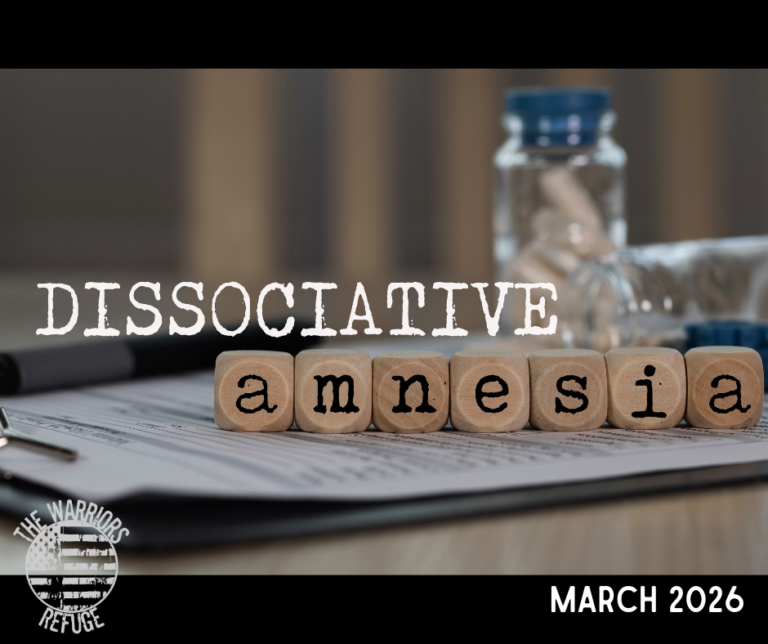
Observed March 5th, DID day raises awareness of a disorder that is often misunderstood within the mental health space. Most of us dissociate whether it’s zoning out or having a daydream, often feeling disconnected from our body.
When we experience trauma, dissociation becomes a survival tool or escape that our brain may use to protect ourselves. Symptoms of DID can differ within persons, but generally affects daily functioning includes: “multiple distinct identities, memory gaps (dissociative amnesia), depersonalization/derealization, sudden mood or behavioral changes, hearing voices or internal conversations” (PACE HOSPITALS).
How can we support those that have DID? We can help by holding a safe space for them where they can unmask, being an active listener, offering physical distractions, removing triggers and creating an affirming space for them.